Swedfund is Sweden’s development finance institution with the mission of reducing poverty through sustainable investments in developing countries. The focus of this year, Sustainable Returns, reflects the core of this mission: to create long-term, sustainable results for both people and communities through investments.
Report from the CEO
Swedfund’s role in a more uncertain world
2025 was marked by geopolitical tensions, wars and conflicts, economic uncertainty and increasing climate challenges. Multilateral structures are weakening and the pace of change is rapid. These conditions make Swedfund’s mission more relevant than ever. With five years remaining to achieve the goals of the 2030 Agenda, the pace must accelerate if the goals are to be met.
Impact and performance
Swedfund invests in developing countries to achieve strong development impact while also being financially viable.
Our growing portfolio enables more job opportunities, increased energy production and access to capital for smallholders, among other things.
Selected key performance indicators
Decent work and economic growth
488 000
number of direct jobs in the portfolio in 2024 (2023: 421 000)
50%
proportion of portfolio companies that recruited additional employees during 2024 (2023: 48%)
Reduced inequalities
36%
proportion of investments in low-income countries in 2025 (2024: 37%)
61 000
small-scale farmers empowered through access to capital in 2024 (new metric)
Climate action
14 TWh
energy production through our portfolio companies in 2024 (2023: 13 TWh)
75 000 tonnes
of GHG emissions (CO₂e) avoided in 2024 (2023: 76 000)
Gender equality
30%
proportion of women in senior positions in 2024 (2023: 31%)
Digitalisation
27%
of our investments support digital development (new metric)
Mission objective
| Mission objective | Comment | Result | Goal |
|---|---|---|---|
| Socially sustainable investments | Compliance with the ILO Core Conventions on decent work shall be achieved in 100% of the company’s investments no later than three years after the investment date. | 97% | 100% |
| Socially sustainable investments | Increased gender equality in the investment portfolio, measured through the 2X criteria or equivalent criteria, shall be achieved in at least 60% of the company’s investments no later than three years after the investment date. | 58% | 60% |
| The company’s additional role | The investment portfolio shall mobilise at least 30% in private capital. | 28% | 30% |
| Economically sustainable investments | Revenue and profitability shall increase in at least 60% of the company’s investments during the holding period, with the investment year as the baseline. | 56% | 60% |
| Environmentally and climate‑sustainable investments | The investment portfolio shall be climate‑neutral by 2045, meaning that greenhouse gas emissions shall be net‑zero in accordance with the IPCC definition. Total portfolio emissions per SEK invested shall decrease over time, with 2020 as the baseline. | 23 tCO₂e | Reduce over time with 2020 as the base year |
Financial goal
| Mission objective | Comment | Result | Goal |
|---|---|---|---|
| Economically sustainable investments | Operating profit to be greater than zero over a five-year period. Goal and result refer to EBIT excluding Ukraine. | 45 MSEK | > 0 |
Strategic goals for sustainable value creation
| Mission objective | Comment | Result | Goal |
|---|---|---|---|
| Project implementation | At least 60 percent of completed feasibility studies (stage 1) should progress to stage 2. Stage 2 means that the feasibility study has been carried out as planned and has led to further decisions or actions by the project owner, such as additional studies or preparations for implementation. New measurement for 2025, monitored on a rolling basis over a five-year period. | 89% | 60% |
| Project implementation | At least 40 percent of projects that reach stage 2 should progress to stage 3. Stage 3 means that the project owner has made a decision on financing and/or implementation. New measurement for 2025, monitored on a rolling basis over a five-year period. | 59% | 40% |
| Percentage of Swedish content | Percentage of projects in the portfolio with direct Swedish interest should be 50-60 percent on a rolling basis over a five-year period. The result excluding Ukraine is 53 percent. New measurement for 2025, monitored on a rolling basis over a five-year period. | 41% | 50-60% |
Highlights during the year
JANUARY: The government’s budget for 2025 included a capital contribution to Swedfund of MSEK 1,800, of which MSEK 600 is earmarked for climate-related investments and up to MSEK 500 for Ukraine. The Project Accelerator was awarded a grant of MSEK 270, with MSEK 110 earmarked for initiatives in Ukraine and its immediate surroundings.
APRIL: Transparency International Sweden launches Business Integrity Tool. This tool provides impact investors with practical support in identifying and managing integrity risks in the investment process, especially when investing in high-risk markets. It has been developed with support from Swedfund and Ethics Insight and is based on the Investing with Integrity II report from Transparency International UK, which was initiated by BII and supported by Swedfund.
APRIL: Swedfund strengthened its local presence by opening a regional office in Ukraine. Presence on the ground provides a deeper understanding of local needs, supports dialogue with partners and contributes to better conditions in a complex context.
JULY: To reduce the financing gap for small and medium- sized enterprises in Zambia, Growth Investment Partners Zambia was launched, a new platform offering long-term and flexible capital in local currency. Swedfund is one of the anchor investors together with BII and pension fund NAPSA. Swedfund was present at the launch where President Hakainde Hichilema officiated.
JULY AND DECEMBER: During Almedalen Week, Swedfund engaged in dialogue with civil society organisations that are important sources of knowledge for our operations. In December, we held a stakeholder dialogue focused on different aspects of Swedfund’s mandate and to learn about civil society’s priority issues ahead of the continued implementation of our strategy.
SEPTEMBER: Swedfund reaches the milestone of 100 portfolio companies, 100 ongoing projects through the Project Accelerator and 100 employees. The milestone reflects Swedfund’s growing operations and increased capacity to carry out investments and projects in developing countries in an uncertain global environment.
OCTOBER: The first participants completed Power Women, a programme financed through technical assistance for portfolio company Scatec, which operates solar farms in Ukraine. Through technical training, paid internships, career support and networks, women are being prepared to operate and develop energy parks in a sector with high demand for labour and a need for greater gender equality.
- 1 800Capital contribution 2025 (MSEK)
- 3 752Contracted investments 2025 (MSEK)
- 22New investments during the year
- 36Started new critical infrastructure projects
Business model
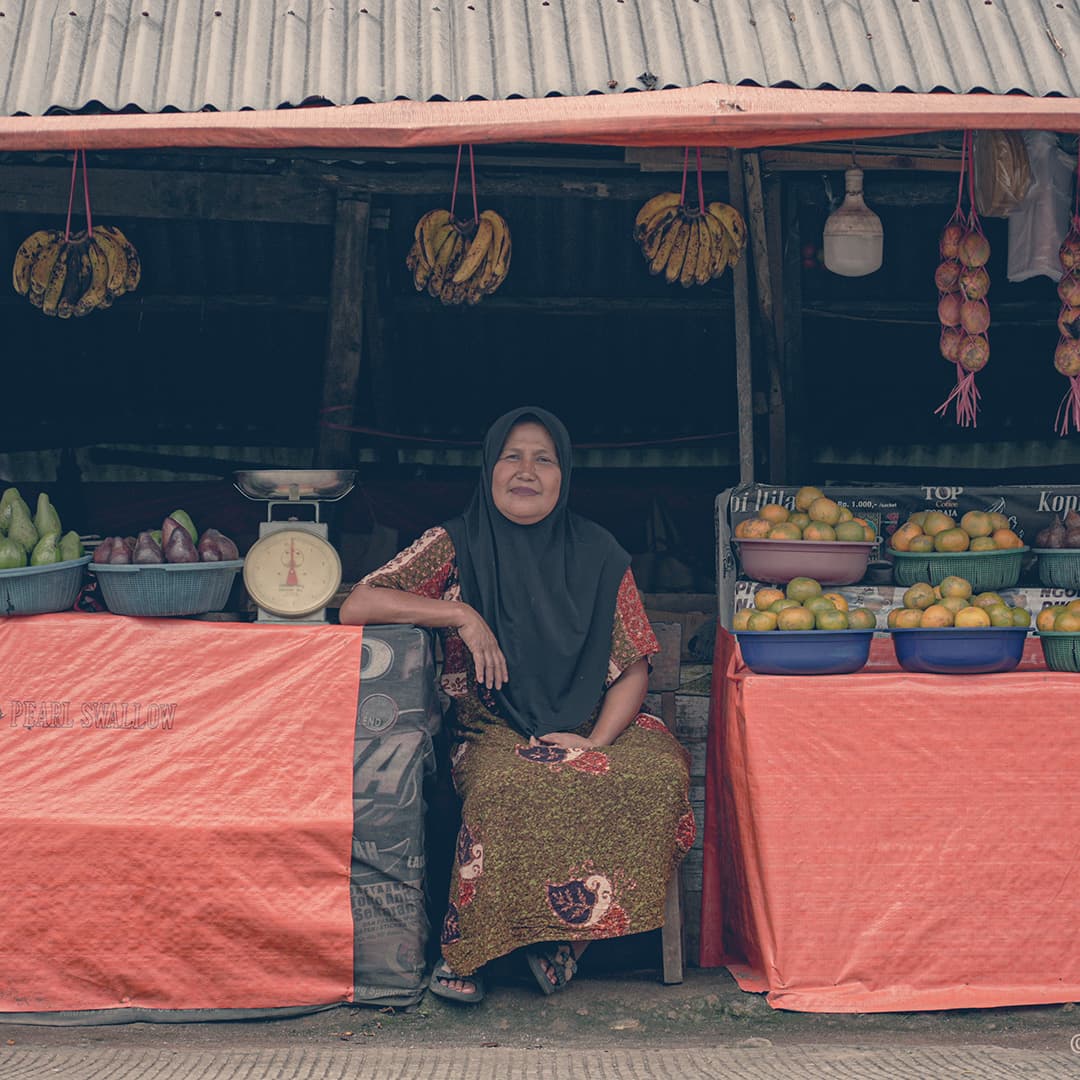
Impact on society
Swedfund assesses how investments can contribute to impact on society and create the desired impact, such as inclusive economic growth, private sector development and strengthening of local communities. Swedfund’s Project Accelerator assesses the possibility of increasing access to critical infrastructure in developing countries.
Sustainability
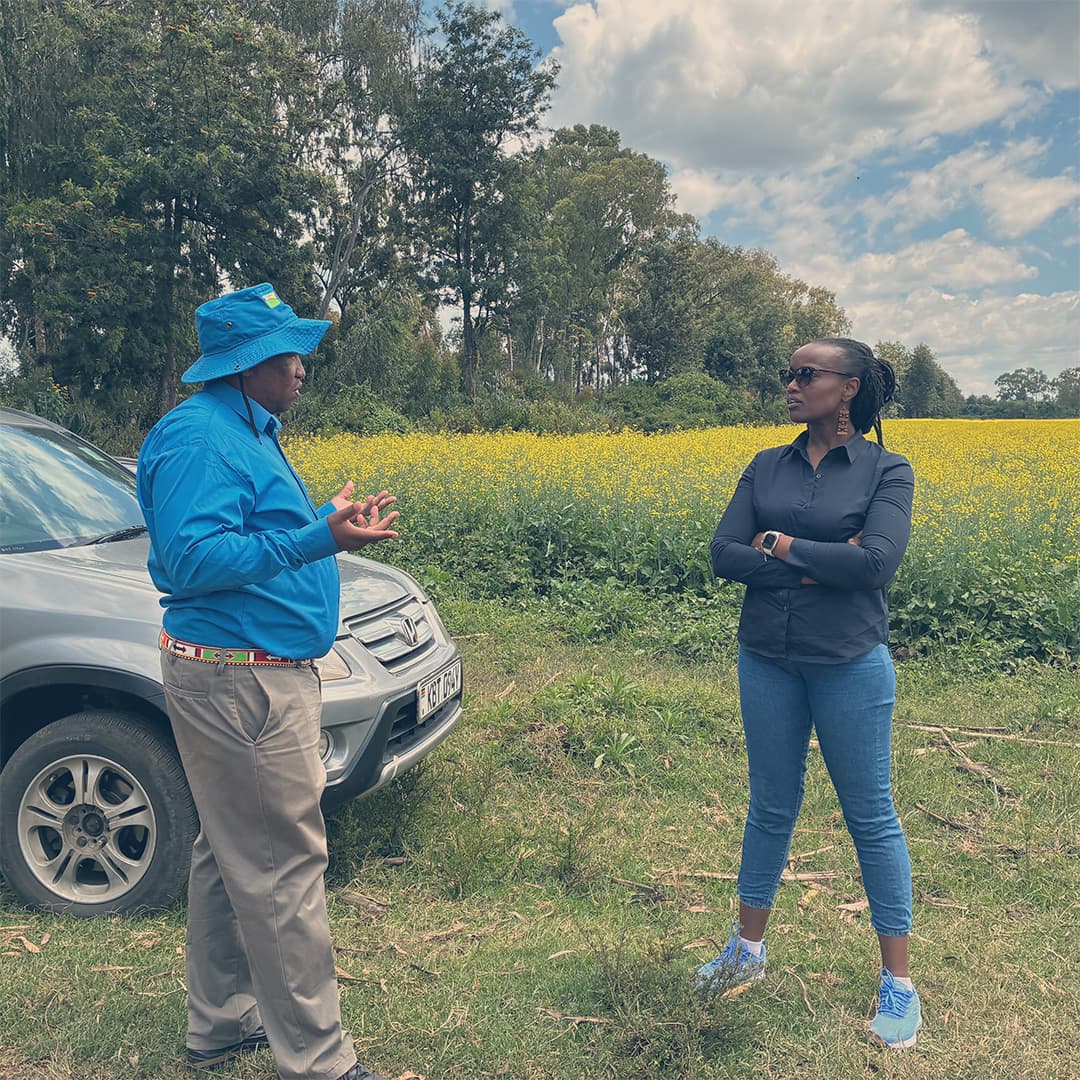
Swedfund invests in long-term sustainable companies that create jobs with decent working conditions, comply with international standards, introduce management systems to manage environmental and social risks, ensure that human rights are respected and actively promote business integrity. Swedfund’s project support initiatives are to contribute to the implementation of long-term sustainable infrastructure.
Financial viability
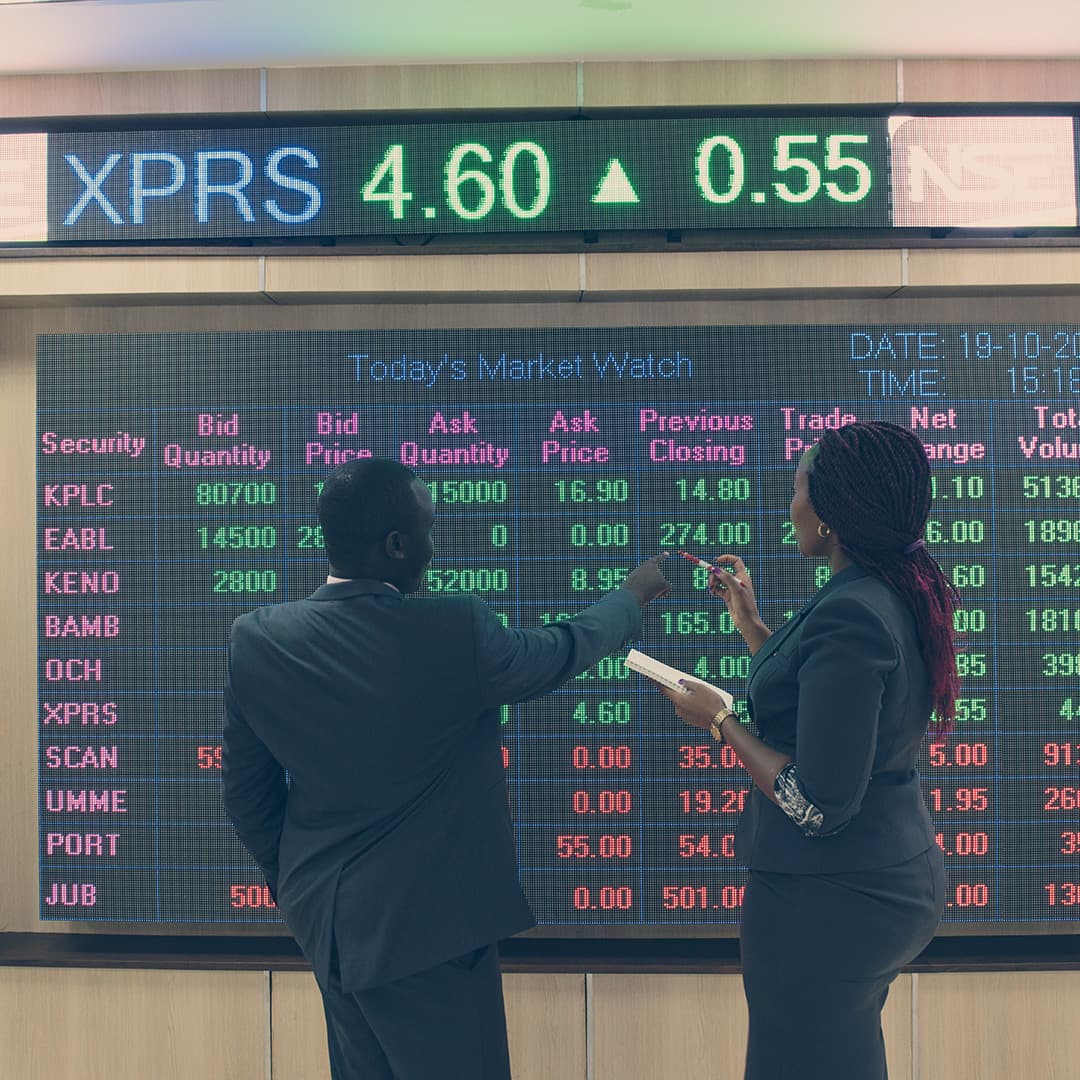
Swedfund’s investments create opportunities to build profitable and financially sustainable companies. Profitable companies can grow, contribute to creating more jobs with decent working conditions, increase their tax contributions and strengthen women’s economic empowerment. A financially viable project within the Project Accelerator has the appropriate conditions to secure financing and be implemented.
Opportunities and challenges in the world around us
No poverty
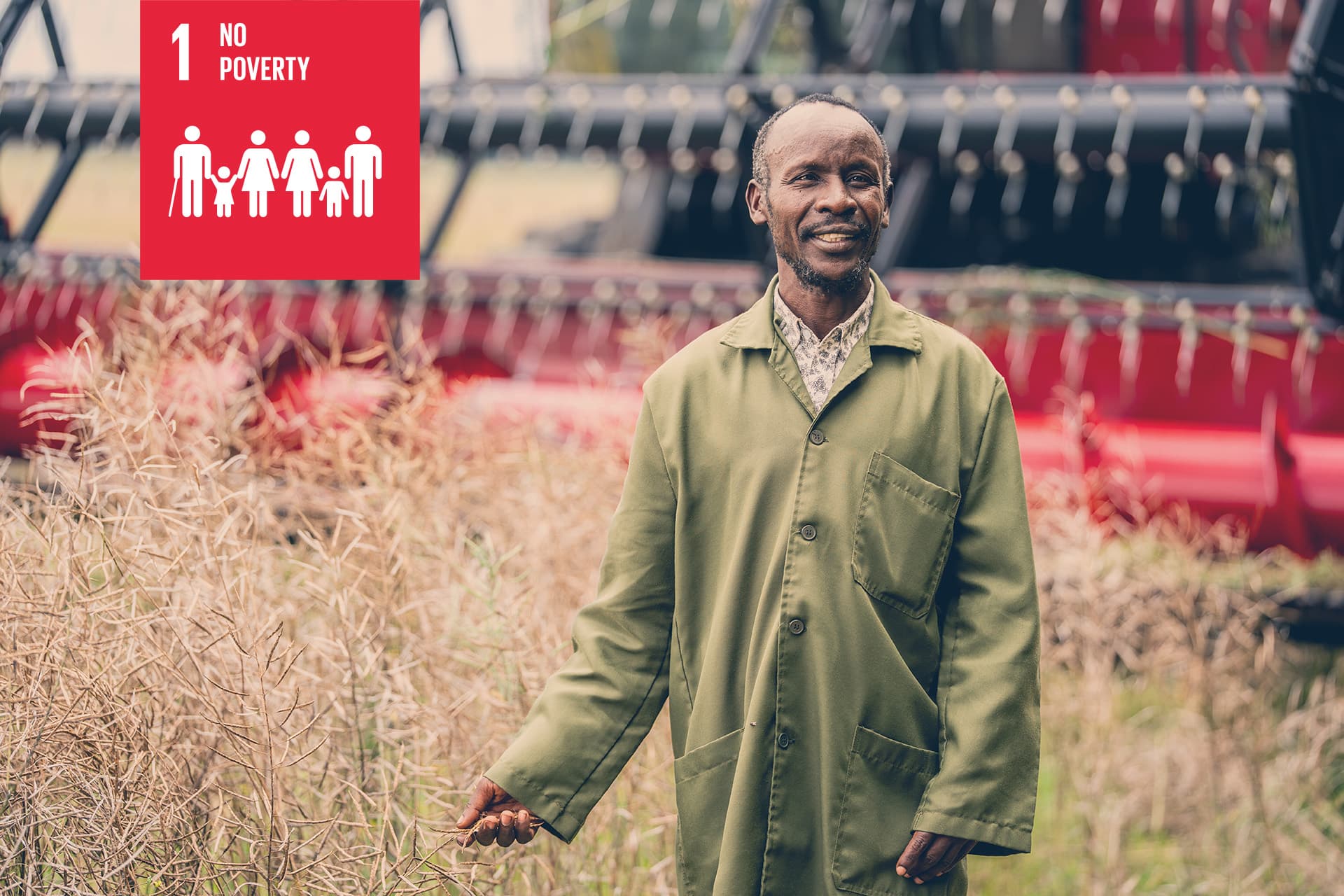
Global development is marked by rising geopolitical tensions and increasing economic uncertainty. Developing countries are particularly affected by conflicts, climate change, declining aid flows and high debt levels. Several of the goals in the 2030 Agenda are moving in the wrong direction, impacting poverty, employment, health and education. The war in Ukraine continues to have severe humanitarian and economic consequences. Reducing poverty remains a fundamental goal in the 2030 Agenda and is closely linked to decent work, equality, climate resilience and digital development.
Decent work and economic growth
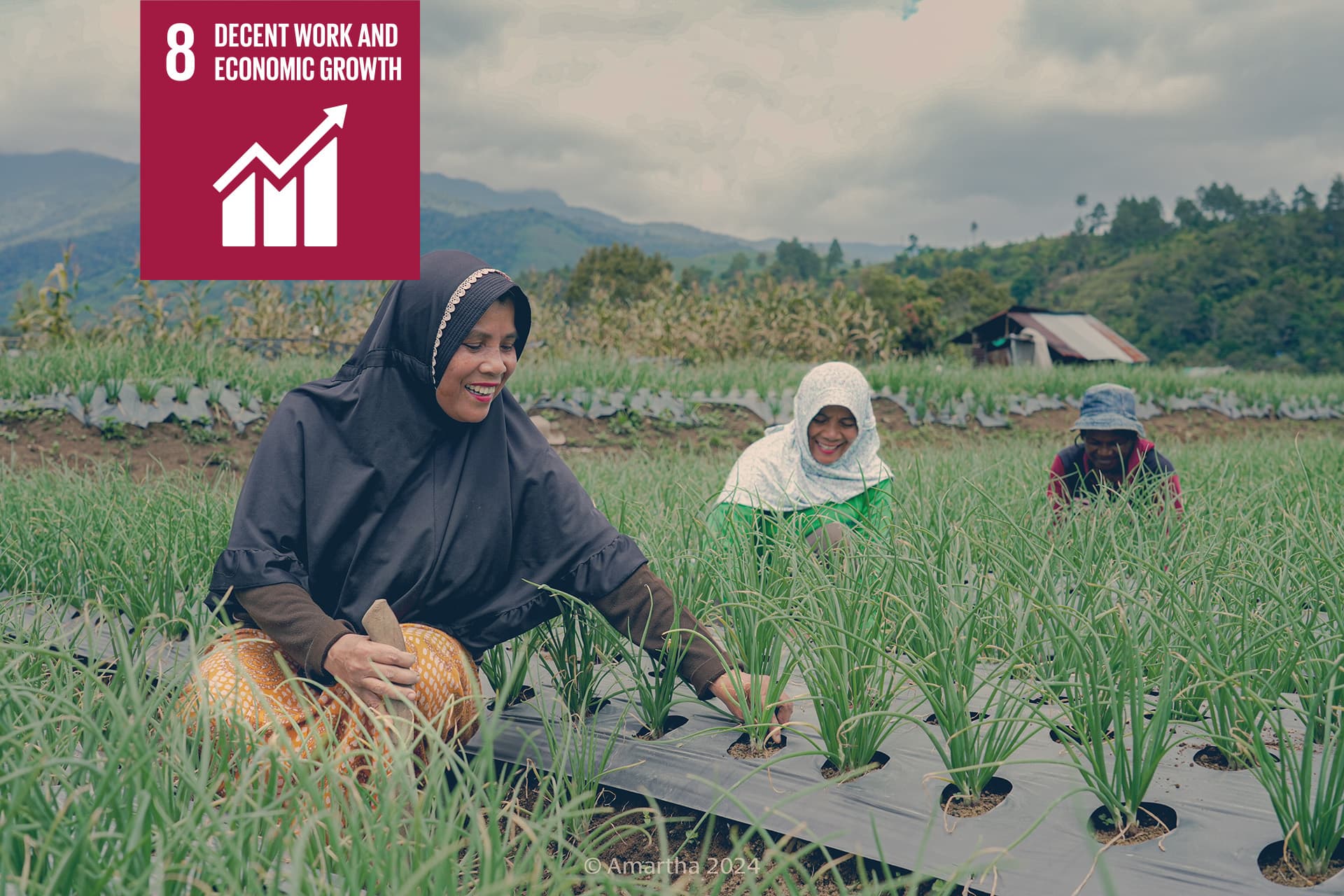
A job is one of the most important pathways out of poverty, and decent working conditions are essential for sustainable economic growth. UN SDG 8 focuses on promoting inclusive growth and creating full, productive employment with decent conditions for everyone. Today, more than half of the world’s workers are in insecure forms of employment, often with low wages and limited protection. Achieving this goal requires growth that includes more people, more jobs with decent working conditions, reduced gaps between men and women’s opportunities, and better use of the potential of digitalisation.
Reduced inequalities
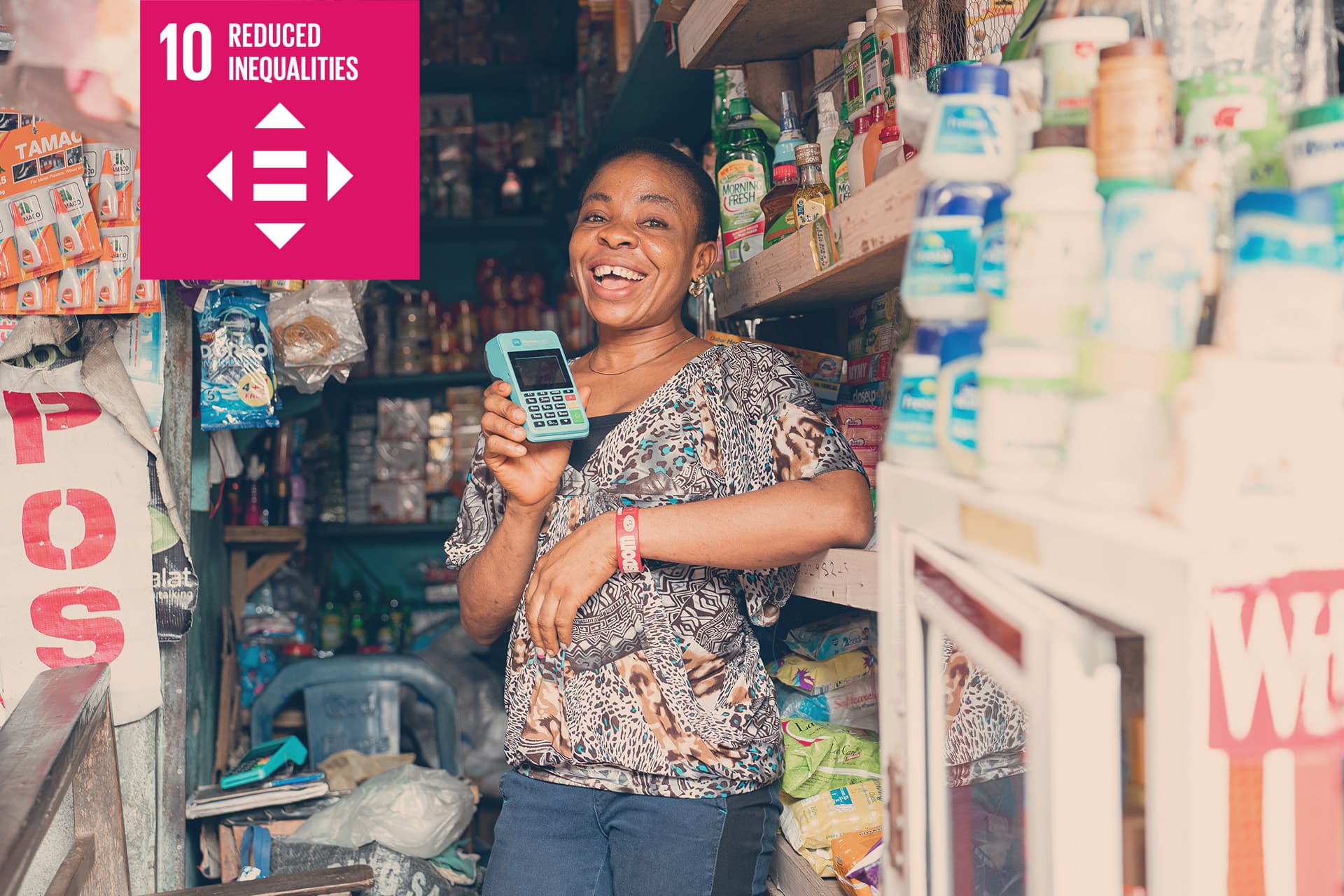
SDG 10 focuses on reducing inequalities within and between countries – one of the greatest challenges for sustainable and inclusive development. Significant differences remain between women and men, between urban and rural areas, and across socioeconomic groups. Inequalities between countries also risk increasing due to the global situation, unequal trade conditions and differences in access to digital technology. Digitalisation creates new opportunities, but it also carries the risk of widening the gap between economies with strong digital infrastructure and those lacking basic foundations.
Climate action
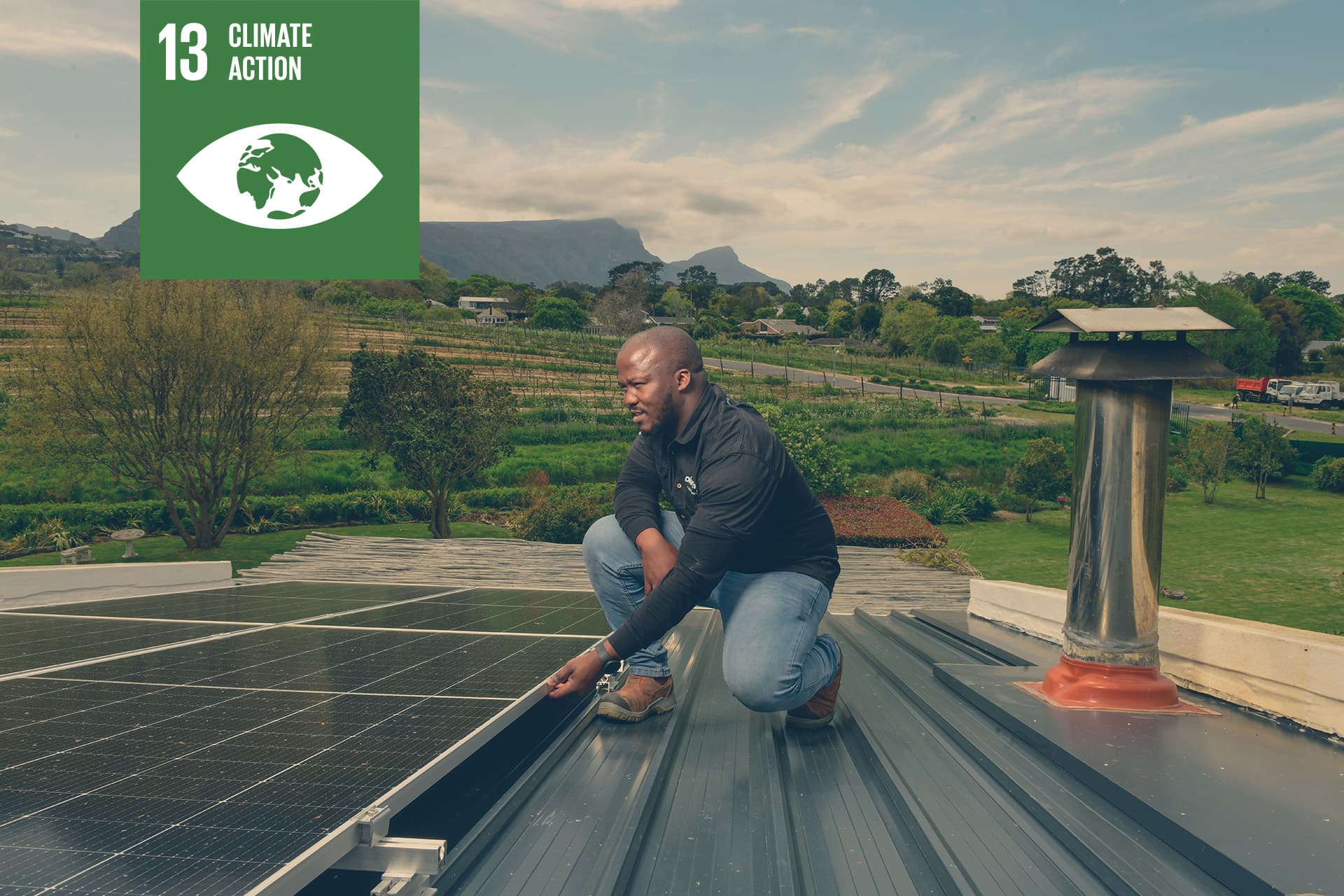
Climate change is making it increasingly difficult to achieve sustainable development and risks pushing up to 132 million people into extreme poverty by 2030. UN SDG 13 calls for immediate action to address the climate crisis and its consequences. Developing countries in Asia and sub‑Saharan Africa are hit hardest despite their very low emission levels. The growing impacts underline the urgent need for increased financing for emissions reduction, climate adaptation and strengthened resilience.
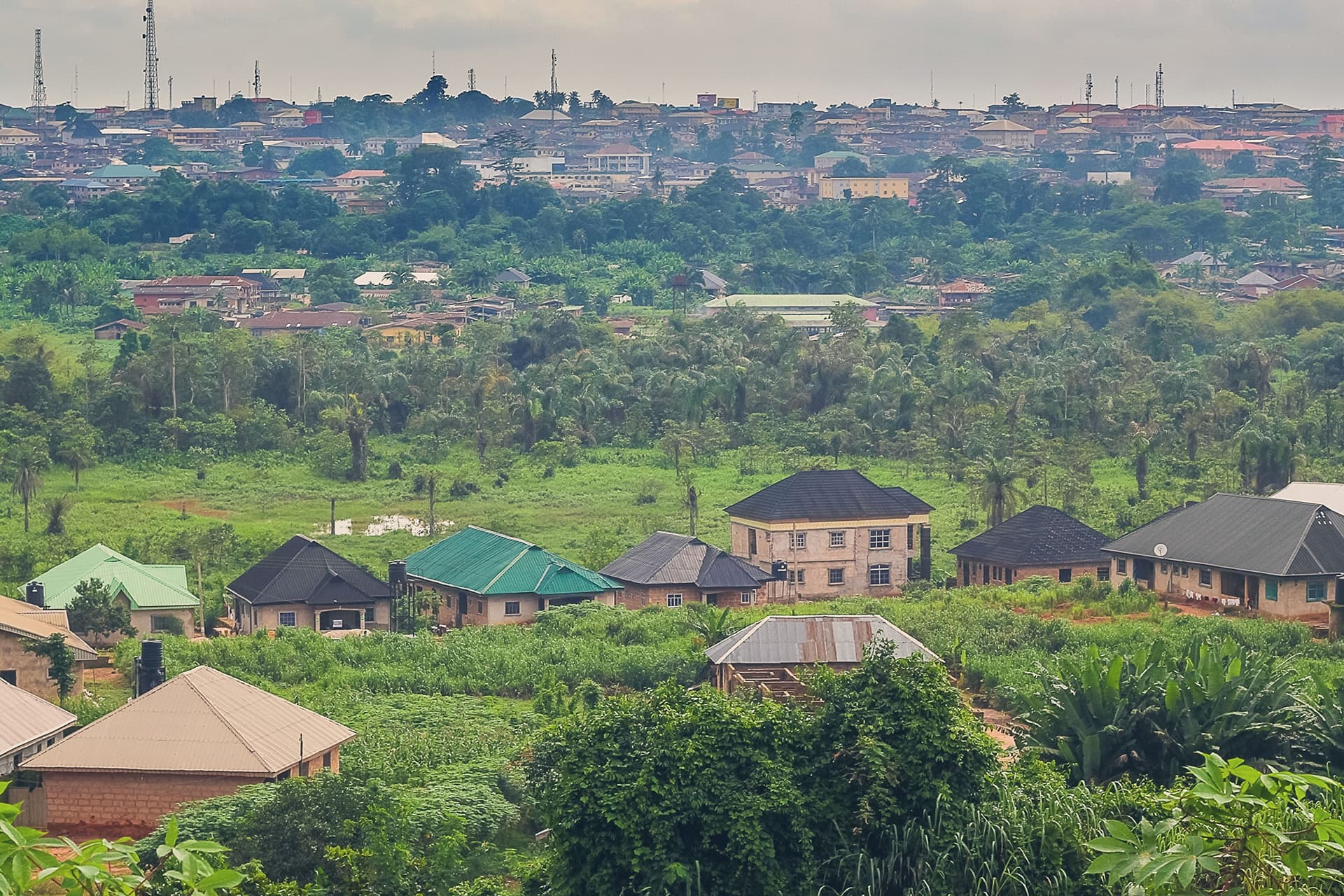
Project Accelerator: Digital infrastructure for more equitable connectivity
CASE: Nigeria is Africa’s most populous nation and one of the continent’s largest digital markets. Yet around 40 million people still lack basic telecommunications services, and the growing divide between urban and rural areas risks reinforcing digital inequality and limiting inclusive economic development.

Swedfund strengthens Ukraine’s resistance
CASE: Ukraine has shown strong resilience since Russia’s full-scale invasion in 2022. Despite the serious consequences of the invasion for the population, society and economy, Ukraine has shown great endurance. However, the reality is that recovery and reconstruction must take place in parallel, and the need for long-term investment remains high.

From farm to table - creating impact throughout the value chain
CASE: Swedfund has invested in AgDevCo, which provides long-term investments and technical assistance for agribusinesses in sub-Saharan Africa throughout the entire value chain. The aim is to strengthen the livelihoods of smallholders, create more jobs and improve food security. The investment will enable AgDevCo to grow and reach more businesses across the entire value chain.
Investments during the year
Swedfund invests in companies that contribute to sustainable growth, jobs with decent working conditions, reduced emissions and increased access to essential products and services such as electricity, food and digital connectivity.
Projects during the year
This support encompasses both project preparation and support initiatives based on local needs. As a partner, we contribute to the development, financing and long-term sustainability of critical infrastructure projects in developing countries.

Swedfund’s Annual and Sustainability Report 2025
Read full report
Swedfund’s 2025 Annual and Sustainability Report is integrated. This means that impact and sustainability indicators relating to the portfolio companies’ performance are reviewed in the same way as key financial performance indicators.